Google Maps

 Waze Maps
 Apple Maps
 All calls are free of charge
 765 22 88
 765 22 88
 765 22 88
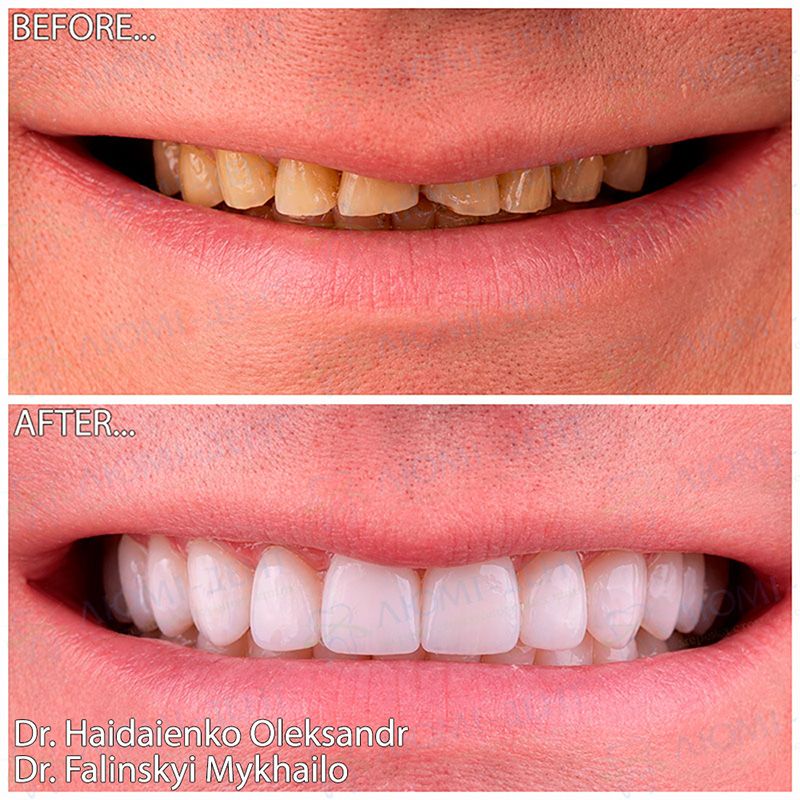


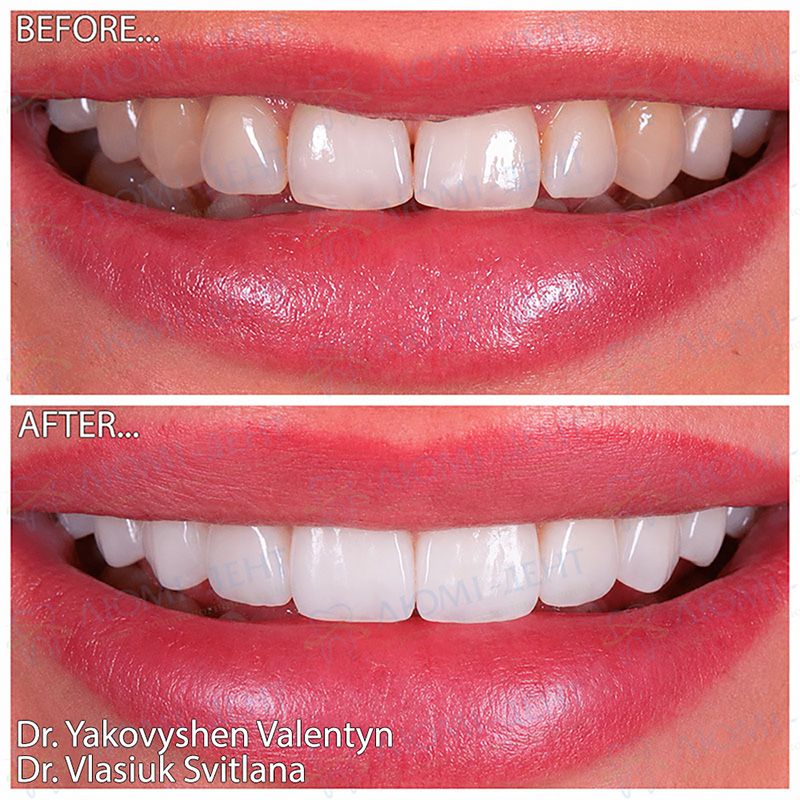
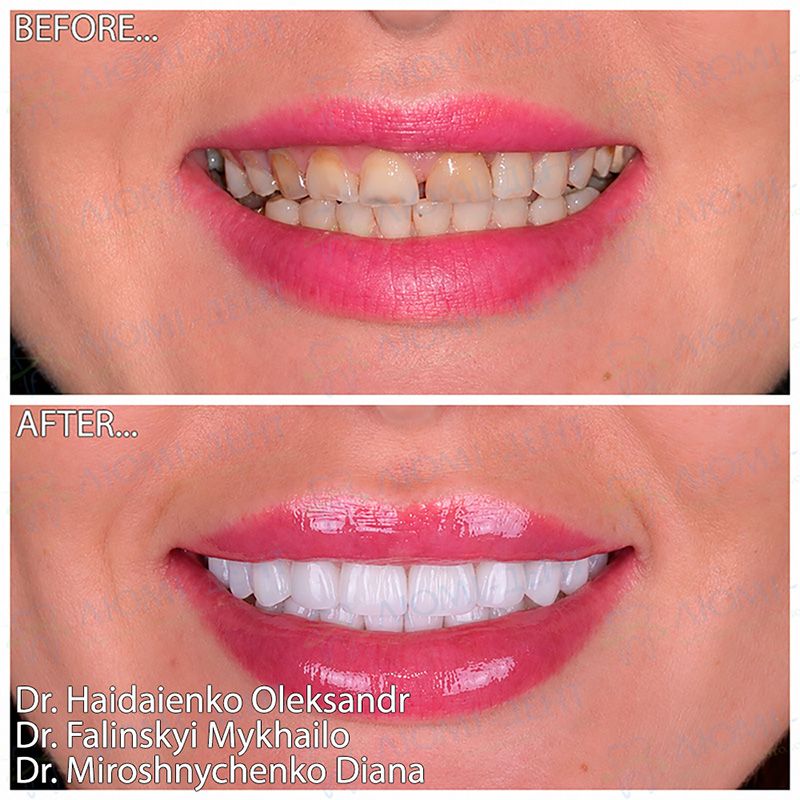
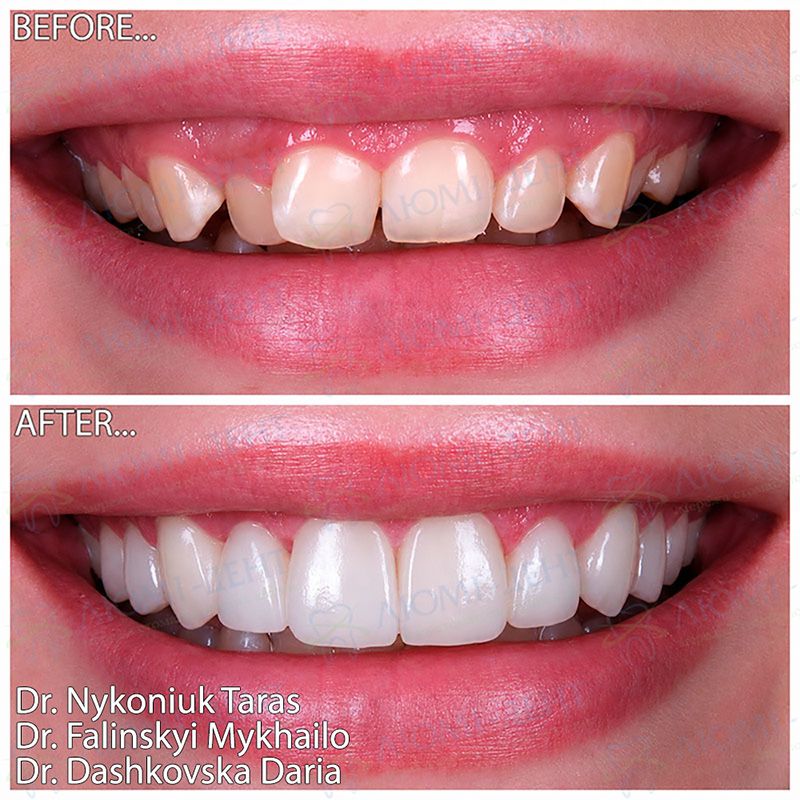
In this case, the patient was concerned about impaired smile aesthetics, a chipped front tooth, severe tooth wear, chewing muscle spasms, and recurring headaches.
In addition to aesthetic concerns, the problem also affected the function of the dentofacial system.
During the examination, traumatic fractures of teeth 1.1 and 2.1, defects of the hard tissues of the anterior teeth, and wear of the incisal edges of both anterior and posterior teeth were identified.
The excessive load on the teeth was accompanied by increased tension in the chewing muscles.
Treatment began with an assessment of the chewing muscles and deprogramming to determine a more stable mandibular position.
This was followed by digital smile planning, digital scanning of the dental arches, and fabrication of a Mock-Up, allowing the treatment outcome to be evaluated in advance.
Under the control of an operating microscope, the teeth were prepared, temporary restorations were fabricated, and permanent E-Max ceramic veneers were placed on the anterior teeth, while ceramic crowns were placed on the posterior teeth.
Result:
The aesthetics of the smile were restored, chips and signs of tooth wear were eliminated, and the proper shape of the anterior teeth was re-established.
Thanks to the normalization of occlusal contacts, excessive tooth loading was reduced, chewing muscle tension decreased, and episodes of headache became significantly less frequent.
Learn more about restoring tooth form and function with ceramic veneers.
Treatment was performed by:
|
The prosthetic stage was performed by prosthodontist |
Gnathological supervision was provided by gnathologist |