Google Maps

 Waze Maps
 Apple Maps
 All calls are free of charge
 765 22 88
 765 22 88
 765 22 88
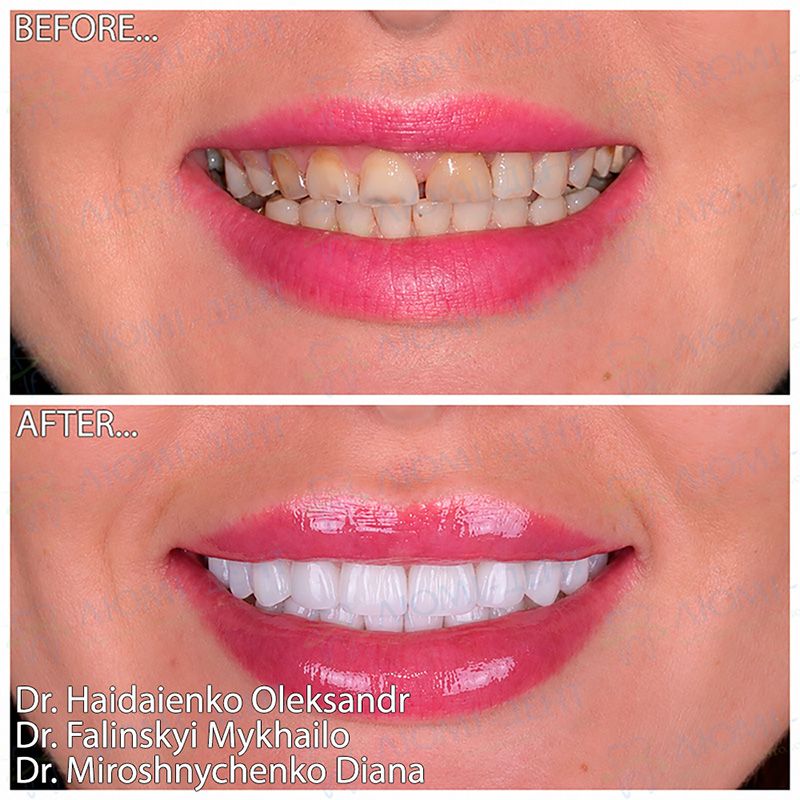


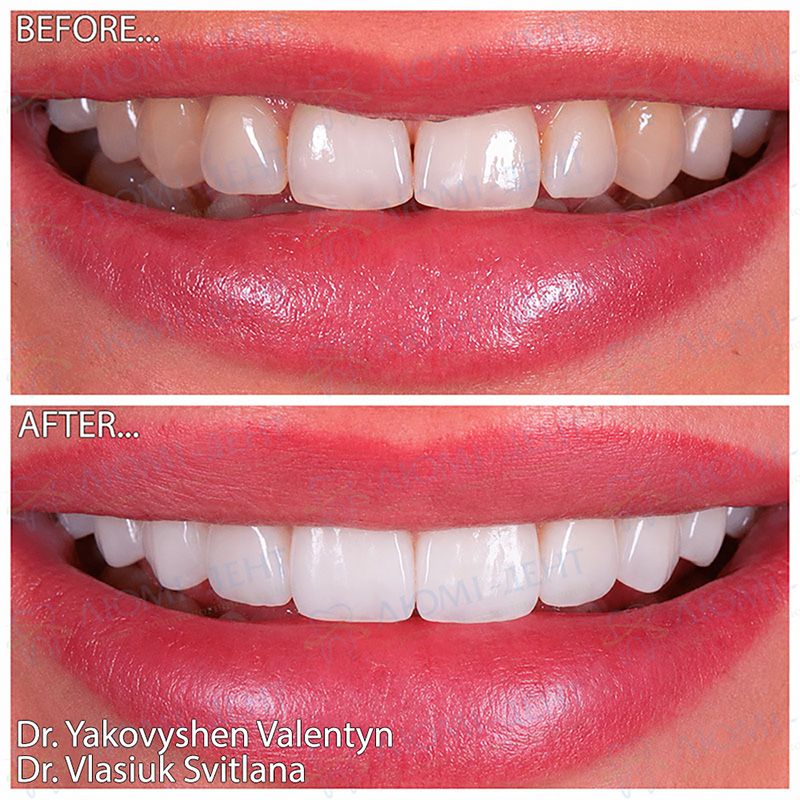
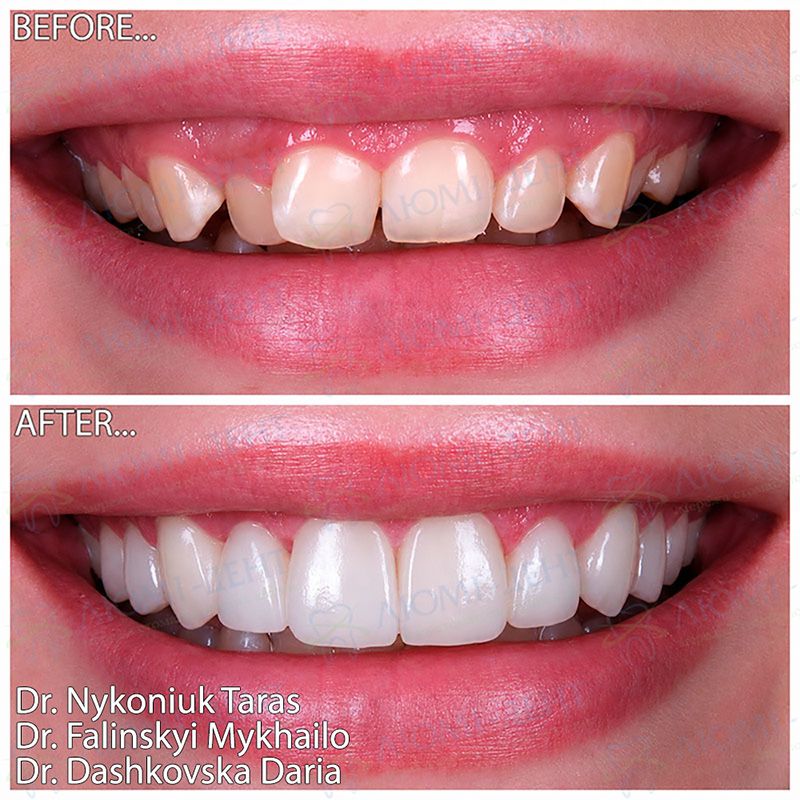
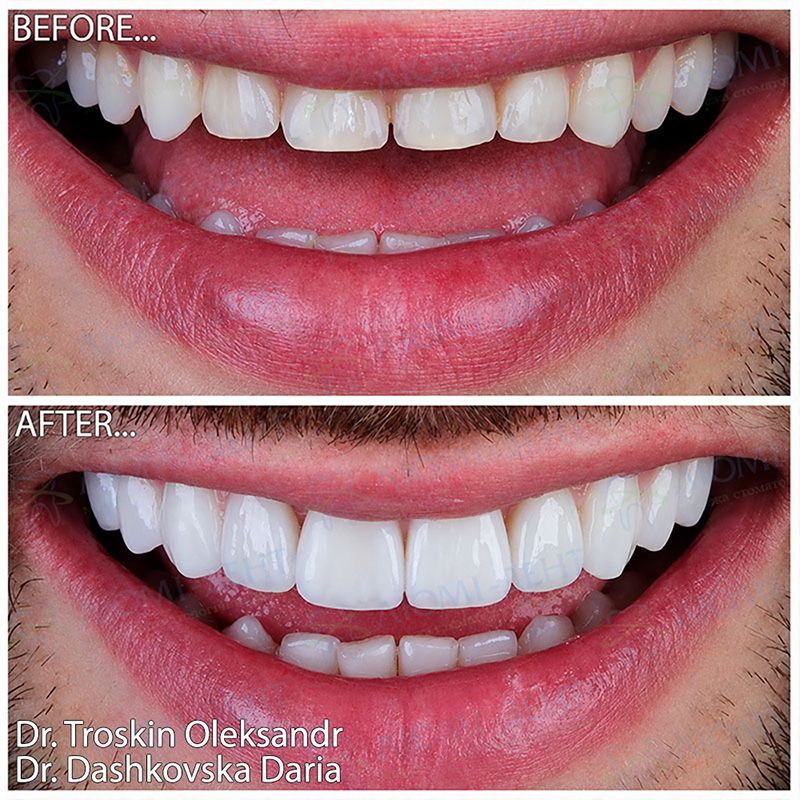
In this case, the patient sought treatment due to excessive tooth wear, discomfort in the temporomandibular joints, and a decline in the aesthetics of the smile.
Additionally, the patient was concerned about fatigue of the chewing muscles and the gradual loss of the natural height of the teeth.
During the diagnostic examination, generalized wear of the hard dental tissues, occlusal disorders, and signs of functional overload of the dentofacial system associated with musculoskeletal dysfunction were identified.
Treatment began with professional dental cleaning and complete oral sanitation.
The next stage included gnathological treatment using a customized occlusal splint, which helped stabilize the position of the lower jaw, reduce stress on the temporomandibular joints, and relax the chewing muscles.
After functional stabilization was achieved, prosthetic rehabilitation of the teeth was performed using ceramic veneers.
This made it possible to restore the anatomical shape of the teeth, their height, and proper occlusal contacts.
Result:
Pain symptoms were reduced, chewing muscle function was normalized, and proper tooth occlusion was restored.
The teeth regained their natural shape and height, while the smile became more aesthetic and harmonious. Even distribution of chewing forces created favorable conditions for the long-term stability of the treatment outcome.
Learn more about tooth restoration with ceramic veneers.
Treatment was performed by:
|
The prosthetic stage was performed by prosthodontist |
Gnathological supervision was provided by gnathologist |
The periodontal stage was performed by periodontist |