Google Maps

 Waze Maps
 Apple Maps
 All calls are free of charge
 765 22 88
 765 22 88
 765 22 88
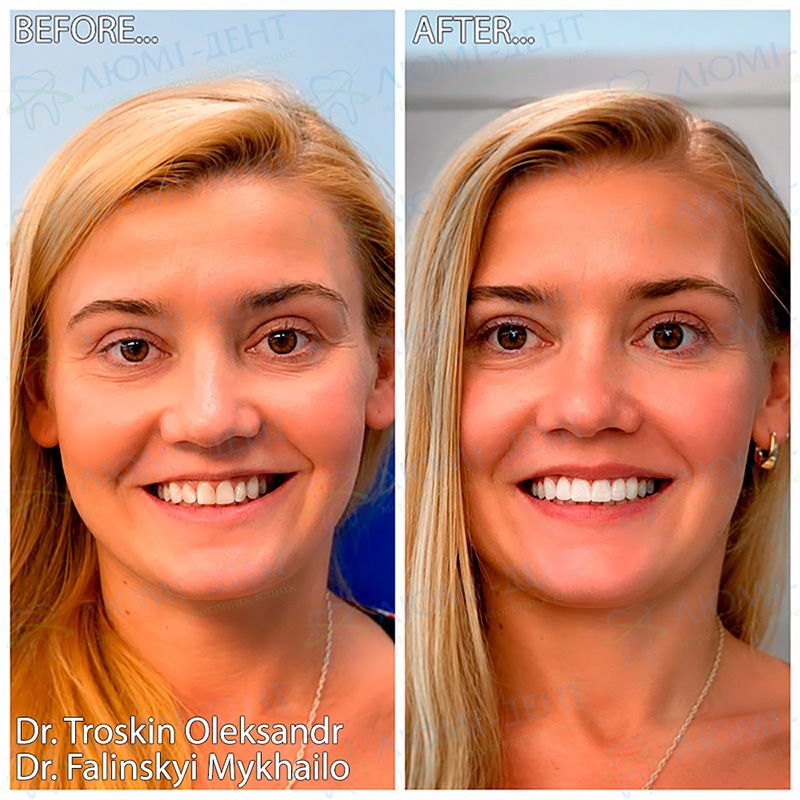


In this case, the patient was concerned about the uneven shape of the front teeth, significant tooth wear, smile asymmetry, and discomfort while chewing.
In addition to aesthetic concerns, there were signs of impaired dentofacial function.
During a comprehensive examination, pathological wear of the anterior teeth, reduced bite height, and functional disorders associated with improper distribution of chewing forces were identified.
To achieve a long-lasting result, it was necessary to restore not only aesthetics but also proper dentofacial function.
Treatment began with gnathological diagnostics, including CT imaging, a photographic protocol, smile video analysis, digital 3Shape scanning, and evaluation of the temporomandibular joints.
After splint therapy and bite stabilization, digital smile design and a Mock-Up were performed to evaluate the future result in advance.
Then, under the control of an operating microscope, minimally invasive tooth preparation was carried out, temporary restorations were fabricated to allow adaptation to the new bite height, and after the adaptation period, permanent E-max ceramic veneers were placed.
Result:
Proper bite height was restored, dentofacial function improved, and the consequences of pathological tooth wear were eliminated.
The tooth shape became more harmonious, the smile became symmetrical and aesthetic, and the even distribution of chewing forces provided comfort and long-term stability of the achieved result.
Learn more about comprehensive smile rehabilitation with ceramic veneers.
Treatment was performed by:
|
The prosthetic stage was performed by prosthodontist
|
Gnathological supervision was provided by gnathologist
|